App Review: How We Feel

One way Social Media is being used to spread correct information and resources during the Coronavirus Pandemic.

2020 has been one absurd year for many Americans. World War Three memes dominated January, February saw the loss of Kobe Bryant and his teenage daughter, and in March, the World Health Organization declared COVID-19, or Coronavirus, as a world health pandemic.

Social Media has become a way to spread information and bring people closer together while strict physical distancing is enforced. With this greater use of Social Media comes greater risk of spreading misinformation, and the app How We Feel is doing it’s part to help curb that.

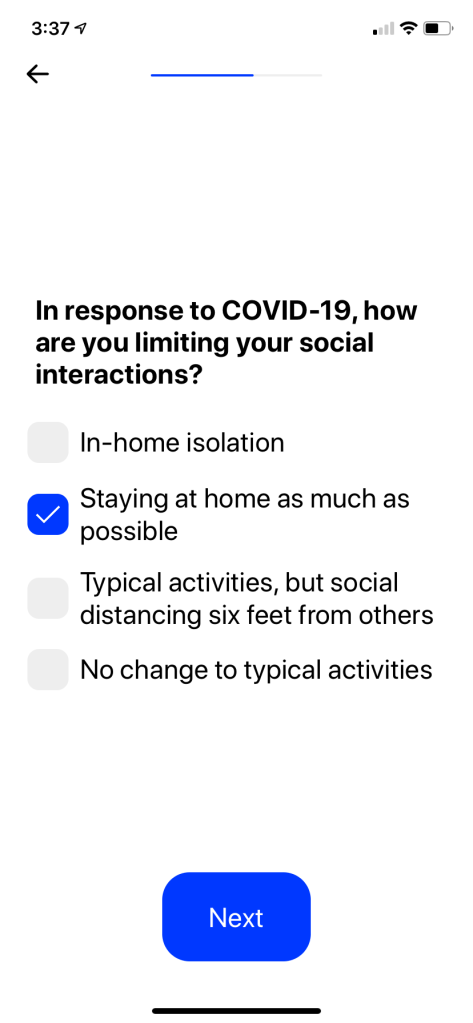
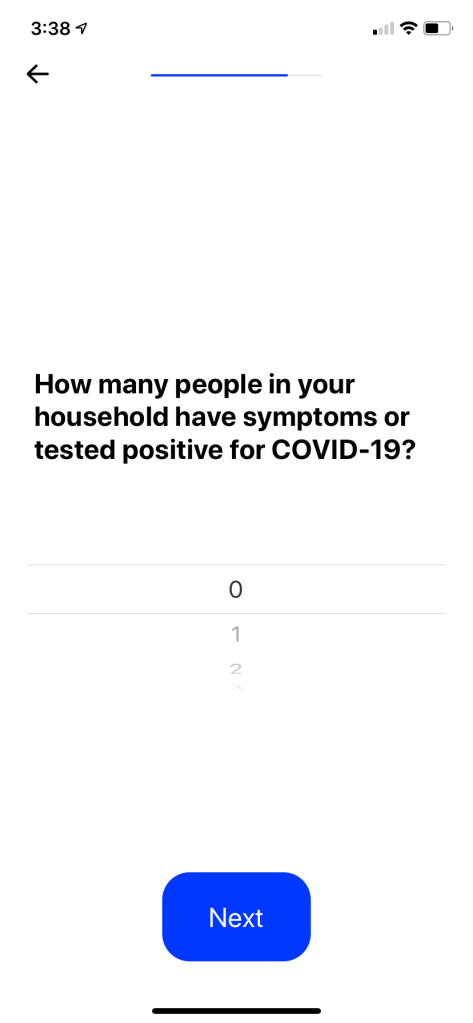
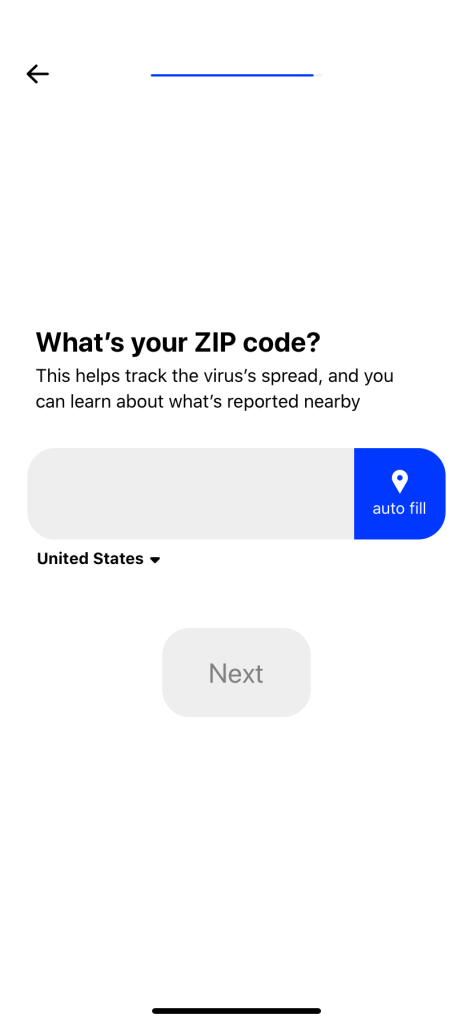
How We Feel is a project started to create a global community fighting COVID-19. The app is simple and easy to use and only takes about 1 minute out of your day. Users self-report how they are feeling and any symptoms daily. By also including your zip code, the app gives you numbers about how your community or county is feeling, as well.

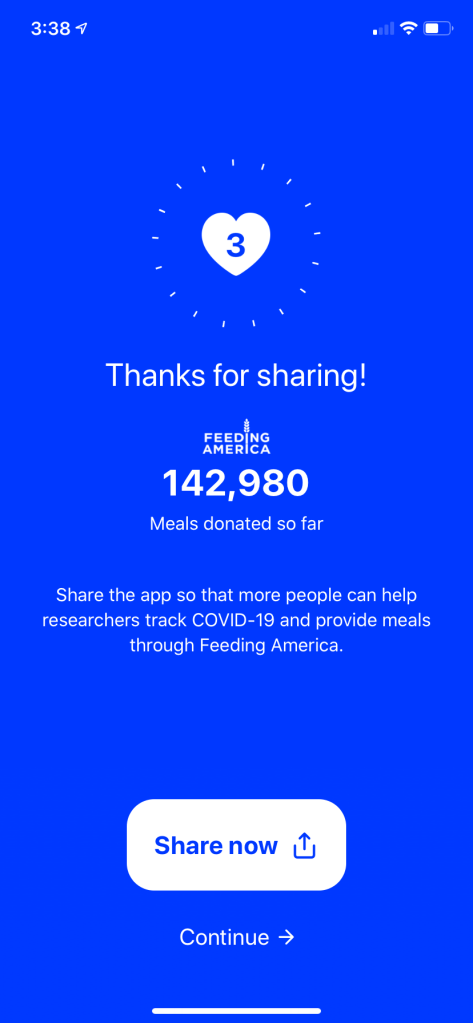
Check out my check-in below!
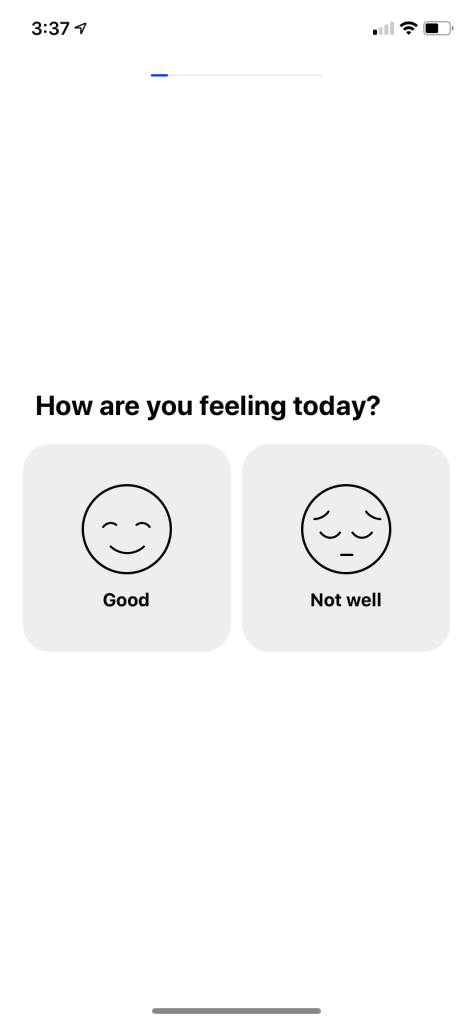
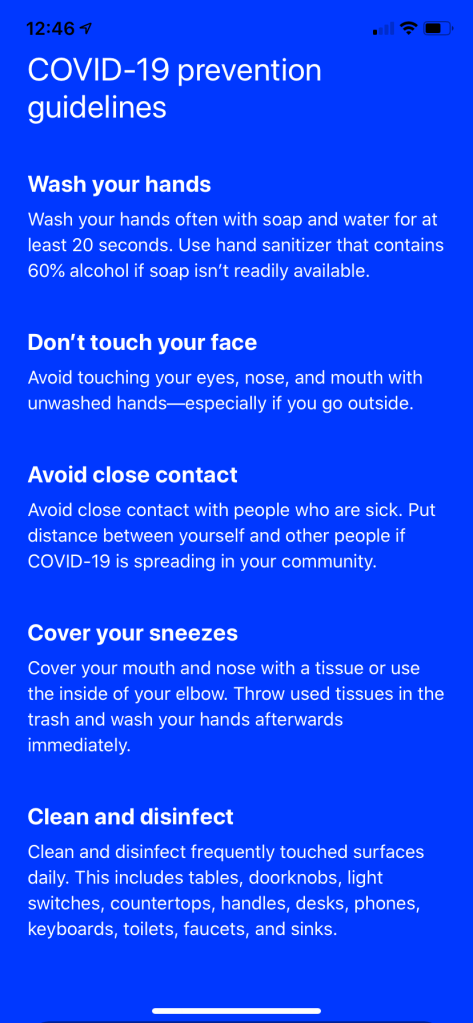
How We Feel also provides accurate and trusted resources for your community and your country.
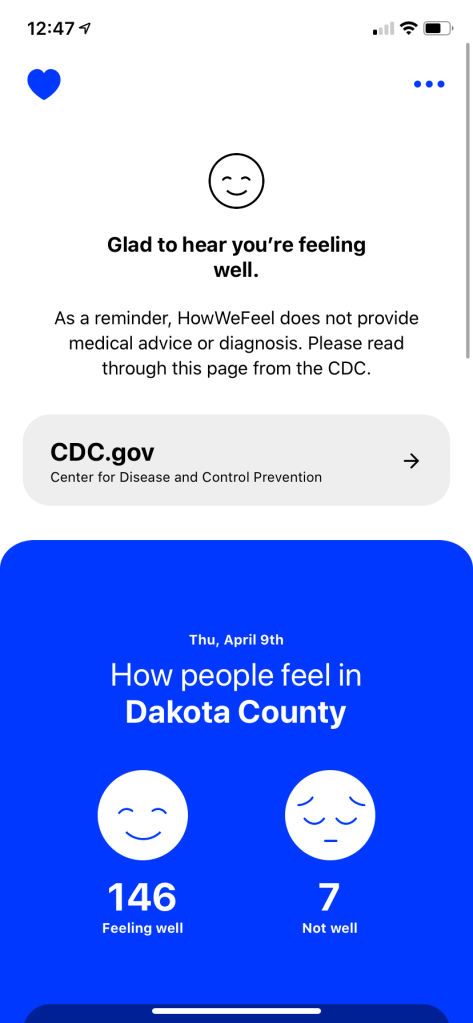
Overall, How We Feel is a great app! I love the simple interface and the ways it keeps users connected. It is a clear and concise way to get information about the Coronavirus from being spread incorrectly. It only takes one minute to fill out a four question survey and each user is immediately able to help their community.

How We Feel is also donating meals to families in need through a partnership with Feeding America. For every new user, How We Feel is donating a meal!

For more information, HowWeFeel is available on the iPhone App Store and is completely free. In one week, it has surged from #154 on the App Store to #2 in the Health & Fitness category.

Also, please check out CDC.gov for all current, up-to-date and trusted information about the COVID-19 Pandemic.

Stay Safe!
Careers in Social Media

Hi all!

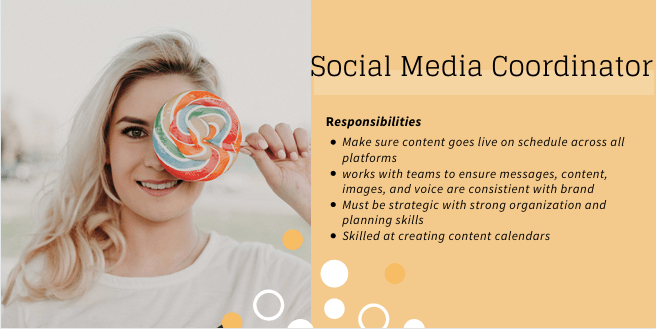
Social Media can be a broad and daunting task. By building a team of more than one, companies specialize their Social Media planning and execution to create more effective content and brand awareness.

Below are 5 careers to look for when searching for a job in Social Media!

Social Media Coordinator

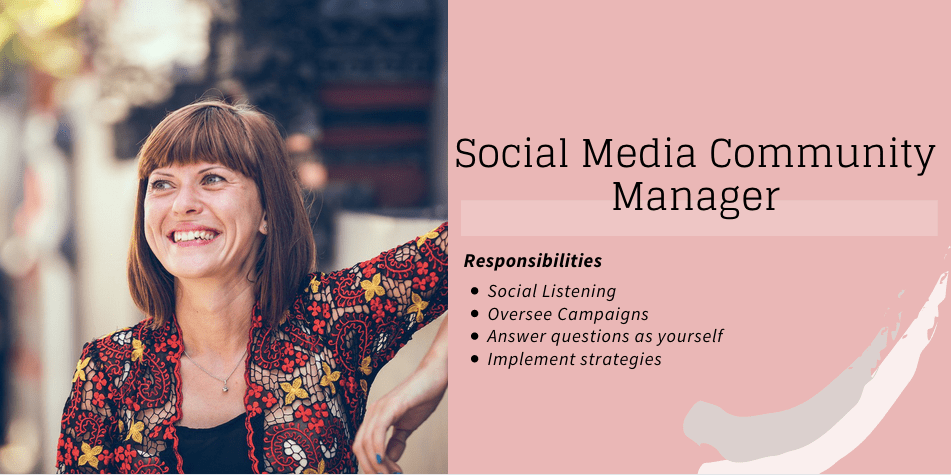
Social Media Community Manager

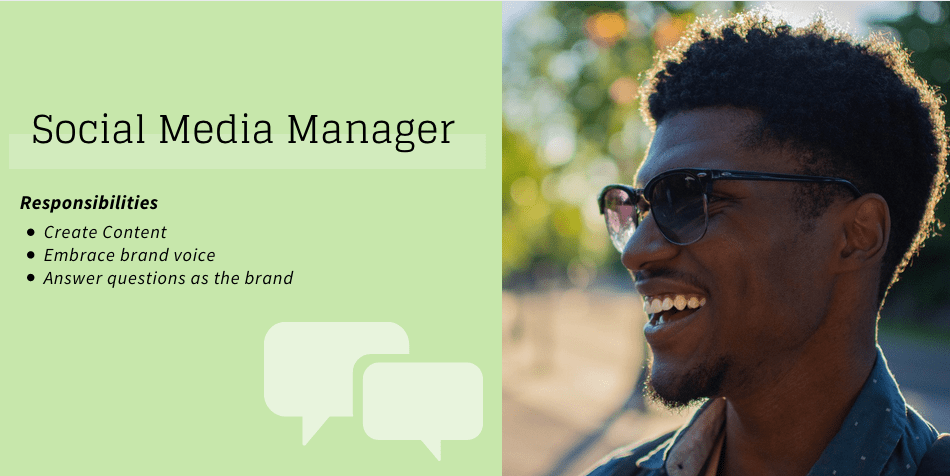
Social Media Manager

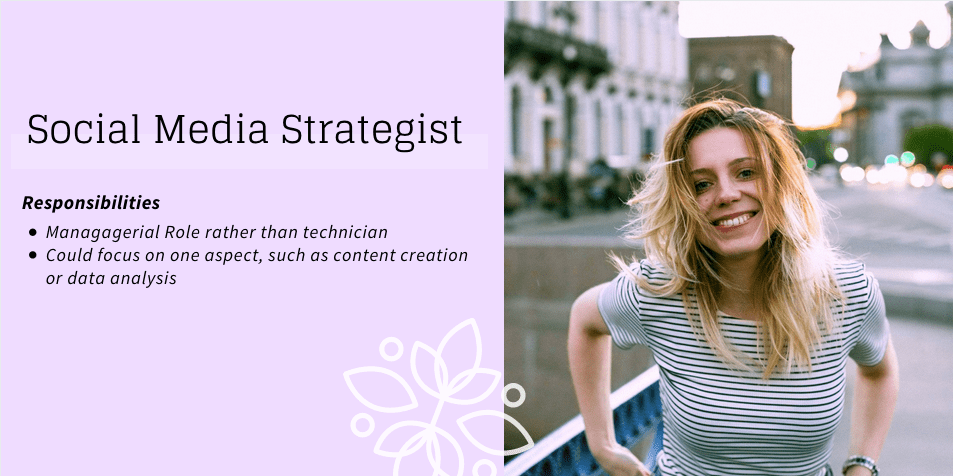
Social Media Strategist

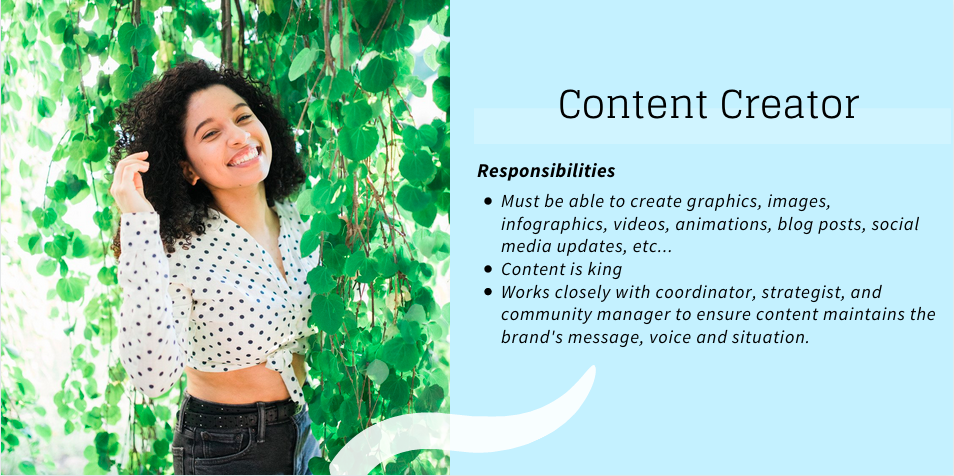
Content Creator

SMART Goals: Setting goals for your brand on social media

When starting a new campaign or trying to gain new followers, it’s important to know where you start and where you want to go. Starting with a goal or objective is the right place to start in order to analyze how effective your plans were!

An easy way to do this is by using SMART Objectives.

S – Specific
What exactly do you want your brand to accomplish?

M – Measurable
How will your objective be measured? Where are you now and where do you want to be?

A – Attainable
What can you or your client handle?

R – Realistic
Is it realistic to think your objective will increase awareness?

T – Time-bound
Set an exact date when which you want to accomplish your objective. Timelines will help you along the way!

If you have more than one objective that you want to accomplish, make sure you go through each of these steps for each individual one. It’s possible to achieve several goals in one campaign- and can push you a little further than you think you’re capable of!

I hope you can use SMART Objectives to help you create goals and organize your thoughts for your own campaign!

SWOT Analysis: What is it, and how can you use it?

When I am planning an event, one of the most useful tools I use is a SWOT analysis. It’s a simple way of holistically reviewing your event from planning to execution. By taking time before, during, and after to analyze what you did well and what could be done better, you create opportunities for future growth. This tool can also be used to analyze and review other events you attend in order to help you learn.


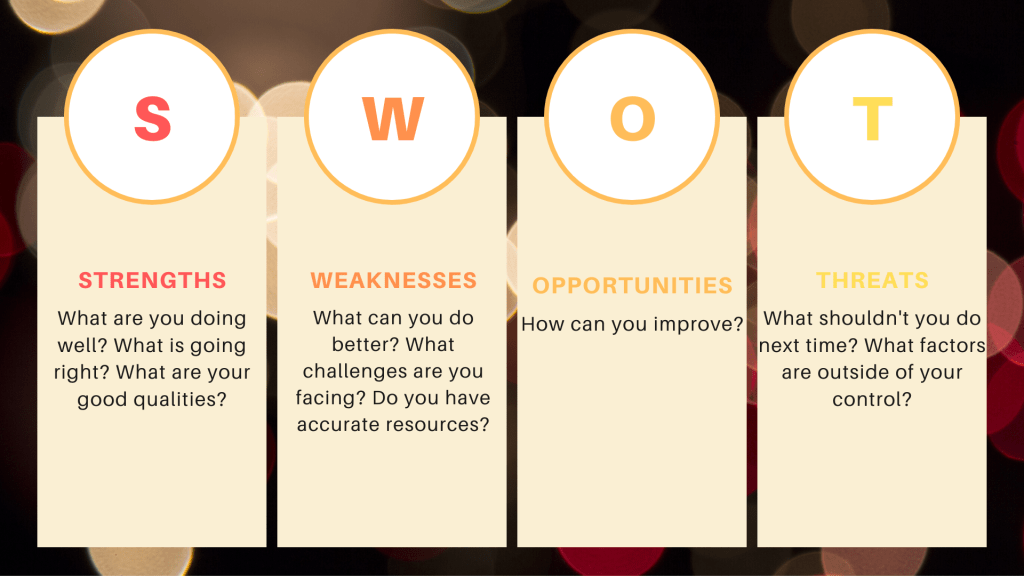
SWOT

Strengths, Weaknesses, Opportunities, and Threats


Analyzing Your Own Event

An effective analysis starts by looking at the things you did well (Strengths) and things you didn’t (Weaknesses).


Strengths – What are you doing well? What is going right? What are the good qualities?

  • Did you choose a great location?
  • Are you on/ under budget?
  • If you’ve partnered with outside vendors or organizations, are they effective?
  • Was your event well attended?
  • What good feedback did you receive from attendees?

Weaknesses – What can you do better? What challenges are you facing? Do you have accurate resources?

  • Why is your location not the best?
  • Are you over budget?
  • Are you having difficulty communicating with vendors?
  • How big is your carbon footprint?
  • What poor feedback did you receive from attendees?

After thinking about these, what opportunities can you take to improve your event next time? How can you apply this knowledge to other events you plan? What shouldn’t you do in the future?


Opportunities – How can you improve?

  • How can you expand in the future?
  • Is there another venue that would fit the event better?
  • Was there a food or beverage that your guests wanted more of?
  • Is there a better way to use your budget?
  • Can you find a better way to market/ advertise for your event?
  • Is there a different vendor you could partner with?

Threats – What shouldn’t you do next time? What factors are outside of your control?

  • Weather (in the Midwest, snowstorms are almost always a deterrent)
  • Should you not use that location in the future?
  • Are there other events happening in your community that would deter people from coming?
  • Current events (national news, politics, etc…)

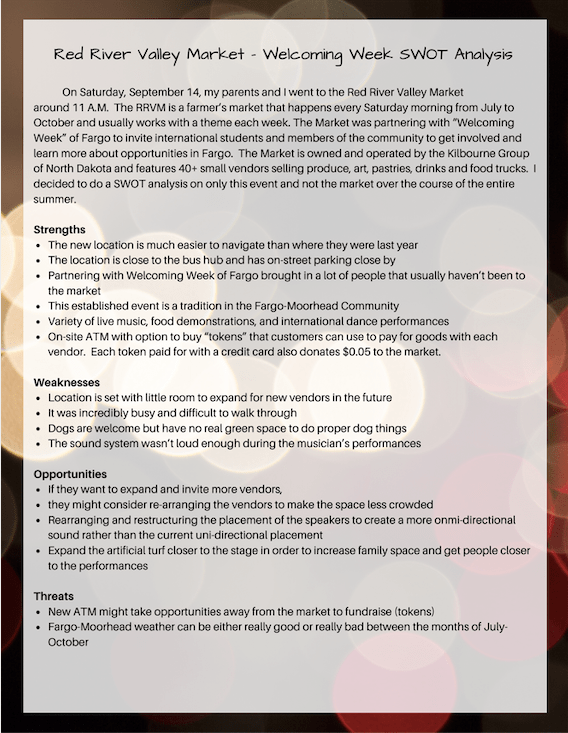
I hope you can take this and apply it to your own events! Below is an example of an analysis I did to review Fargo-Moorhead’s Red River Market.

#swot #blog

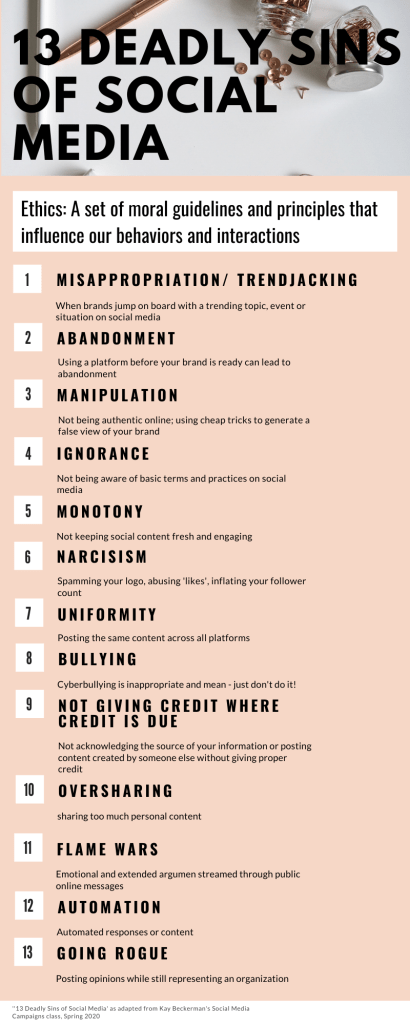
13 Deadly Sins of Social Media

Ethics – A very small word with very big implications.

Ethics are a the set of moral guidelines and principles that influence our behaviors and interactions. When using social media to promote your brand or business, are you thinking about how to present yourselves ethically?

If you take a step back and look at your platforms, are you being authentic? Consistent? Is your content genuine and original, and if not, are you giving credit where credit is due? And most of all, are you being kind?

Below are three common ‘Deadly Sins’ of social media, and ways you can avoid them.

Misappropriation or Trendjacking (def): When brands jump on board with a trending topic, event, or situation on social media.

Many brands are shifting their focus from millenials to Gen Z. Gen Z is tech savvy, meme-focused, and has a strong authenticity meter that will turn them off of your product if they don’t believe you’re showing your authentic brand. Hopping on popular #hashtags and trends can work when used sparsely and strategically, but when it isn’t in-line with your authentic brand, it comes off as a cheap trick.


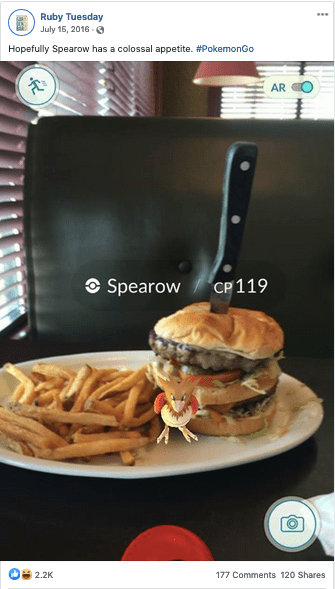
When Pokemon Go became popular, many brands tried to hop on it’s success.

Ignorance (def): Not being aware of basic terms and practices in social media.

A lack of basic social media literacy can lead to users ignoring your posts. An easy example to master is hashtags – #HaveYouEverSeenAnExcessivelyLongHashtag #Or #A #Hashtag #For #Every #Word ? When it comes to hashtags, it’s better to keep them brief. This way, it can be easily read, copied, shared, and understood. Hootsuite academy created a full glossary of social media definitions you should know in 2019 and it is a great resource!

Flame War Outrage (def): Emotional and extended argument streamed through online messages.

Flame wars are a form of online harassment and can cause your brand to lose credibility overnight. Although many flame wars are started by online ‘trolls’ trying to pick a fight, most are actually started through a miscommunication of tone in messaging. According to a study published in the Journal of Personality and Social Psychology, there is only a 50-50 chance of correctly determining the tone of an online message, but 90% of people believe they are correctly guessing the correct implied tone. The best way to avoid a public, online argument with someone provoking you is to take it to your DMs (private messages) and have a calm, private conversation to get to the root of the problem or miscommunication.

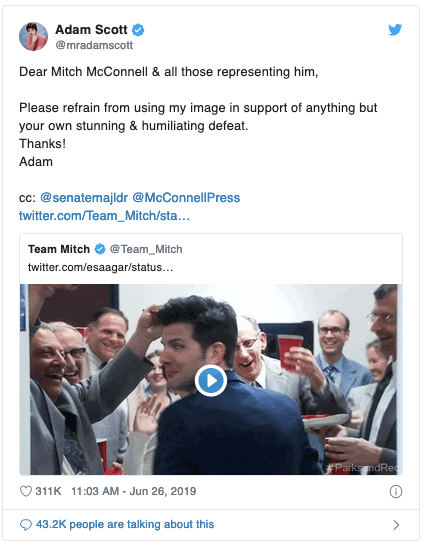
When Senator Mitch McConnell posted a video of actor Adam Scott, Scott called out to his team publicly, asking that they not use his image. A flame war erupted and both Scott and Senator McConnell’s team used Twitter’s public platform to hash out the situation.

Check out these sources for more information!

Hootsuite’s Ultimate List of Social Media Definitions You Need to Know in 2019 – https://blog.hootsuite.com/social-media-glossary-definitions/

Wired’s The Secret Cause of Flame Wars – https://www.wired.com/2006/02/the-secret-cause-of-flame-wars/

Hydrate Marketing; How to effectively use hashtags – https://www.hydratemarketing.com/blog/poor-hashtag-use-can-hurt-your-brand

Design a site like this with WordPress.com
Get started